Blog·
Field notes: three parcels went tidy in one quarter, and nobody connected them
Three unrelated parcels got cleared, fenced, and mown the same quarter. None of it showed up as one story until someone looked across the area.
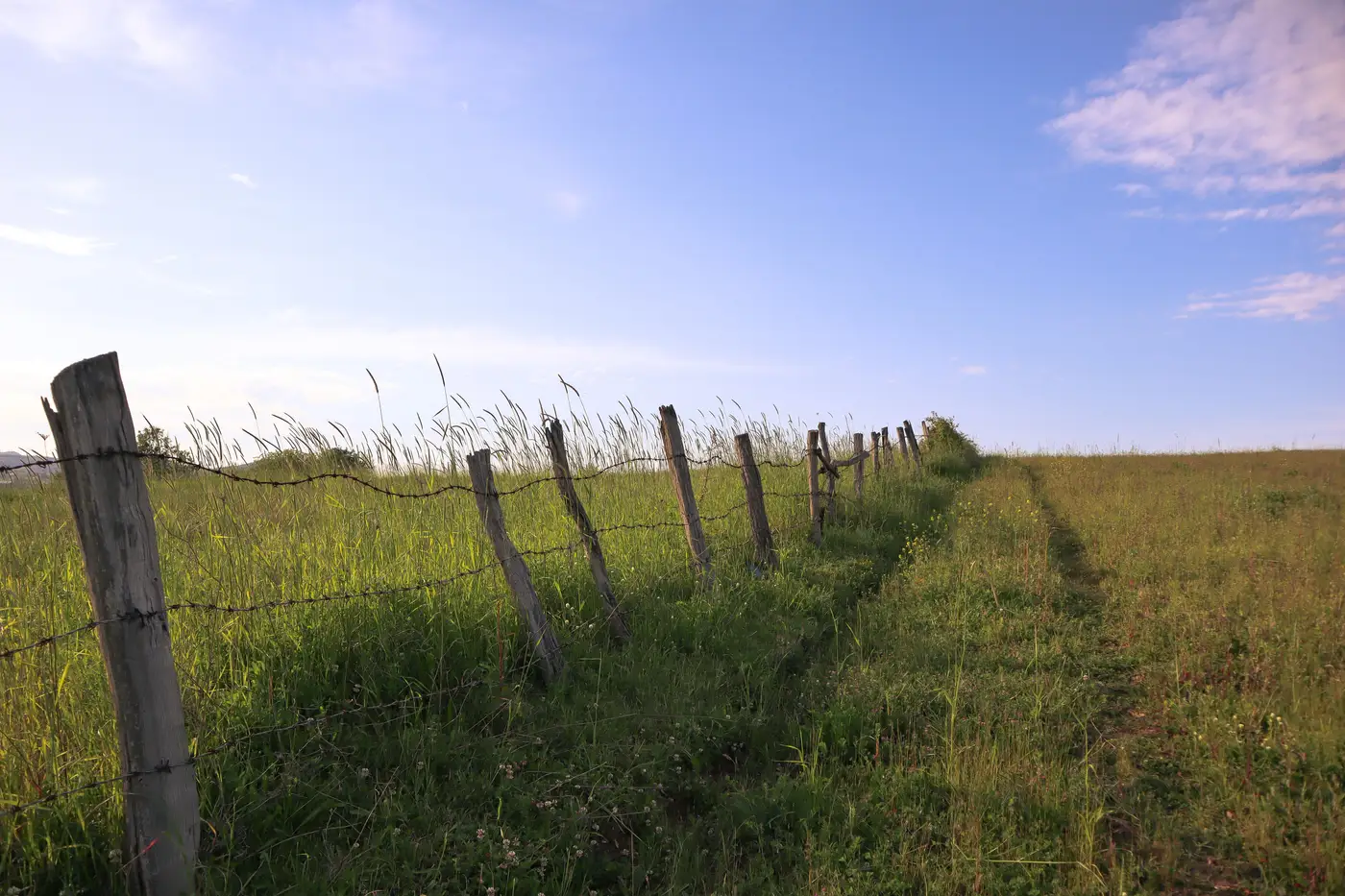
A county line west of the interstate, three parcels, three owners of record, no shared agent, no shared filing, no shared anything in the public stack. The first had been a soybean field since before the current owner inherited it. Behind a shuttered body shop sat the second, a gravel lot nobody had touched in years. The third was eleven acres of scrub that a logging outfit had half-cleared a decade back and walked away from.
In the same quarter, all three got mowed down to bare dirt, fenced on at least two sides, and left alone. No permits pulled. No signage. No activity after the cleanup crews left. Watching any one of these parcels on its own, you'd call it tidy-up, an owner getting the place in order before a sale, maybe, or a code-enforcement letter finally getting answered.
Nobody was watching all three at once, so nobody called it anything.
That's the part that doesn't show up in a county GIS layer or a title search. Assembly doesn't announce itself through the parcel that gets cleared; it shows up through the pattern of parcels clearing in the same window, parcels that otherwise share nothing. The sellers differ, the chains of title differ, sometimes even the zoning differs. The thing that ties them together is timing, and timing is exactly what a desk search isn't built to catch, because nobody queries a county database by "parcels that went quiet in Q3."
The quiet-hold signature is boring on purpose. Clear it, fence it, mow it, then do nothing visible for as long as it takes. No construction trailer, no silt fence around a building pad, nothing that would trip a permit alert or catch a drive-by. The parcel just stops looking like whatever it used to look like and starts looking like inventory. An assembler holding three or four parcels for a project that isn't public yet has every reason to keep them boring: a fenced, mown lot doesn't draw questions from neighbors, doesn't draw a reassessment, doesn't draw a competing buyer sniffing around for the same footprint.
A tip rarely breaks the pattern open. More often it's someone going back through a quarter of imagery for an area they already had reason to watch, noticing that three parcels with nothing in common on paper all crossed from unkempt to cleared in the same ninety-day window. Pull the ownership on each one separately and it reads like coincidence. Lay the dates next to each other and it stops being coincidence.
The catch is that doing this by hand means somebody already has to suspect something before they go looking, and by the time there's a reason to suspect something, the assembler usually has a fourth and fifth parcel already under option. A land analyst watching one submarket can't realistically pull quarterly imagery on every unbuilt parcel in a county and eyeball it for the before-and-after. That's the gap a standing quarterly pass closes: run the comparison on a schedule, flag which parcels went quiet in the same window, hand back a short list instead of a hunch.
That's what a quarterly parcel-pattern report for a watched area is for. Not proof of anything, just the honest observation that these three parcels, unrelated on paper, went tidy at the same time, and that's worth a phone call before anyone else makes one.
If you've got a submarket where that kind of question is worth asking before the owner wants it asked, Land Banking Signals is built around exactly that pass.
Watch your area for the next quarter that goes tidy.