Notes from the parcel desk
Blog
 What a deed restriction release signals before a parcel sells
A deed restriction release clears title before a sale closes. Here's why the filing shows up quarters before the deed does, and what to watch alongside it.
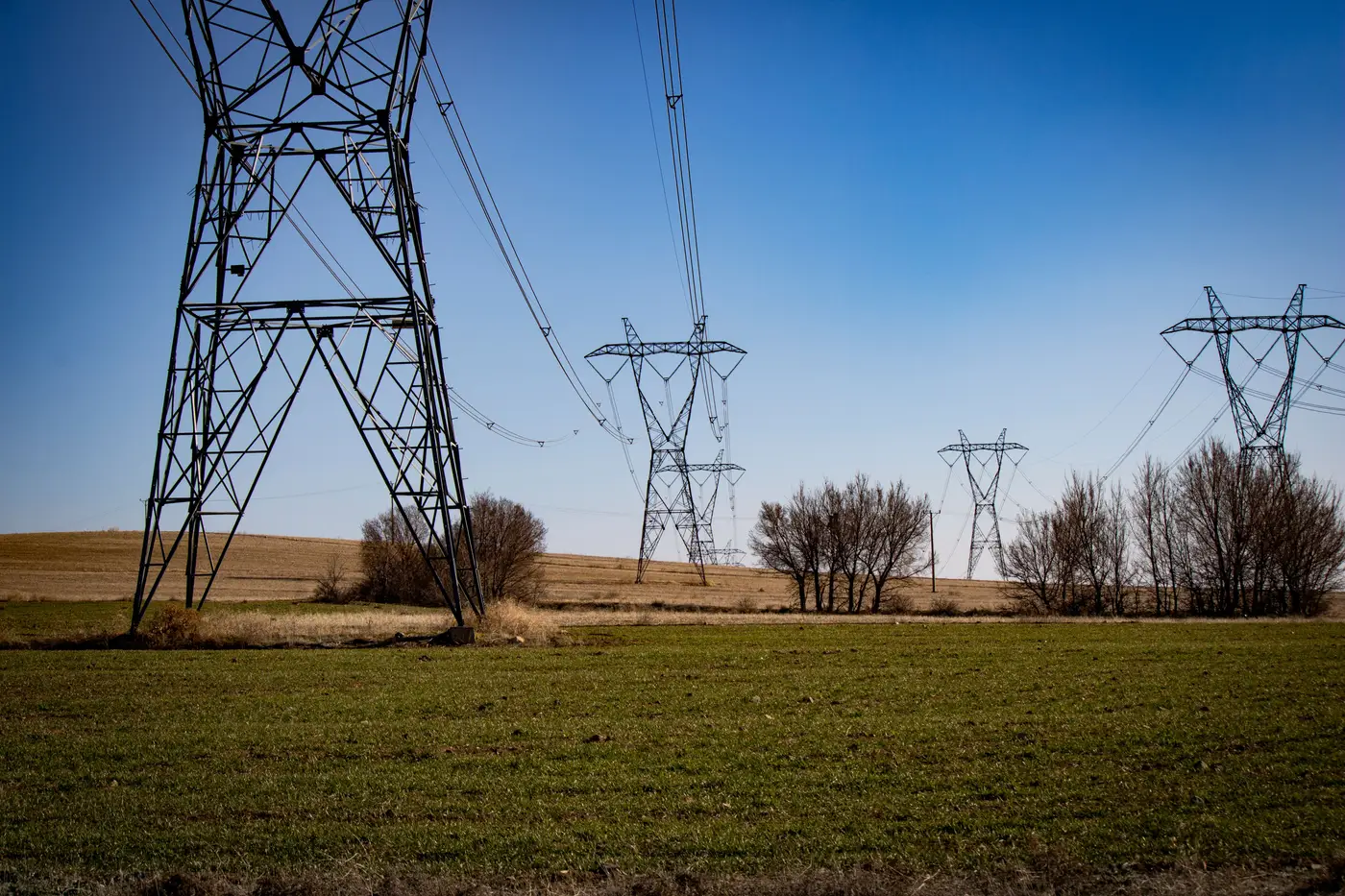 What is a utility easement vacation, and why it often comes before a quiet assembly
What a utility easement vacation filing is, and why it often shows up months before a quiet parcel assembly becomes public.
 Field notes: the zoning agenda that named a street that didn't exist yet
A planning agenda referenced a street with no record on any map. What that tells a land analyst about assembly already underway.
- What a land trust actually hides when someone's assembling a site
Land trusts and LLCs both mask a buyer's name, but they hide different things on record. Here's what shows up at the recorder's office and what doesn't.
- What a lot line adjustment is, and why it shows up before a quiet assembly
A lot line adjustment is a small recorder's-office filing. Here's why it's often the first paper trail a developer leaves before a parcel assembly goes public.
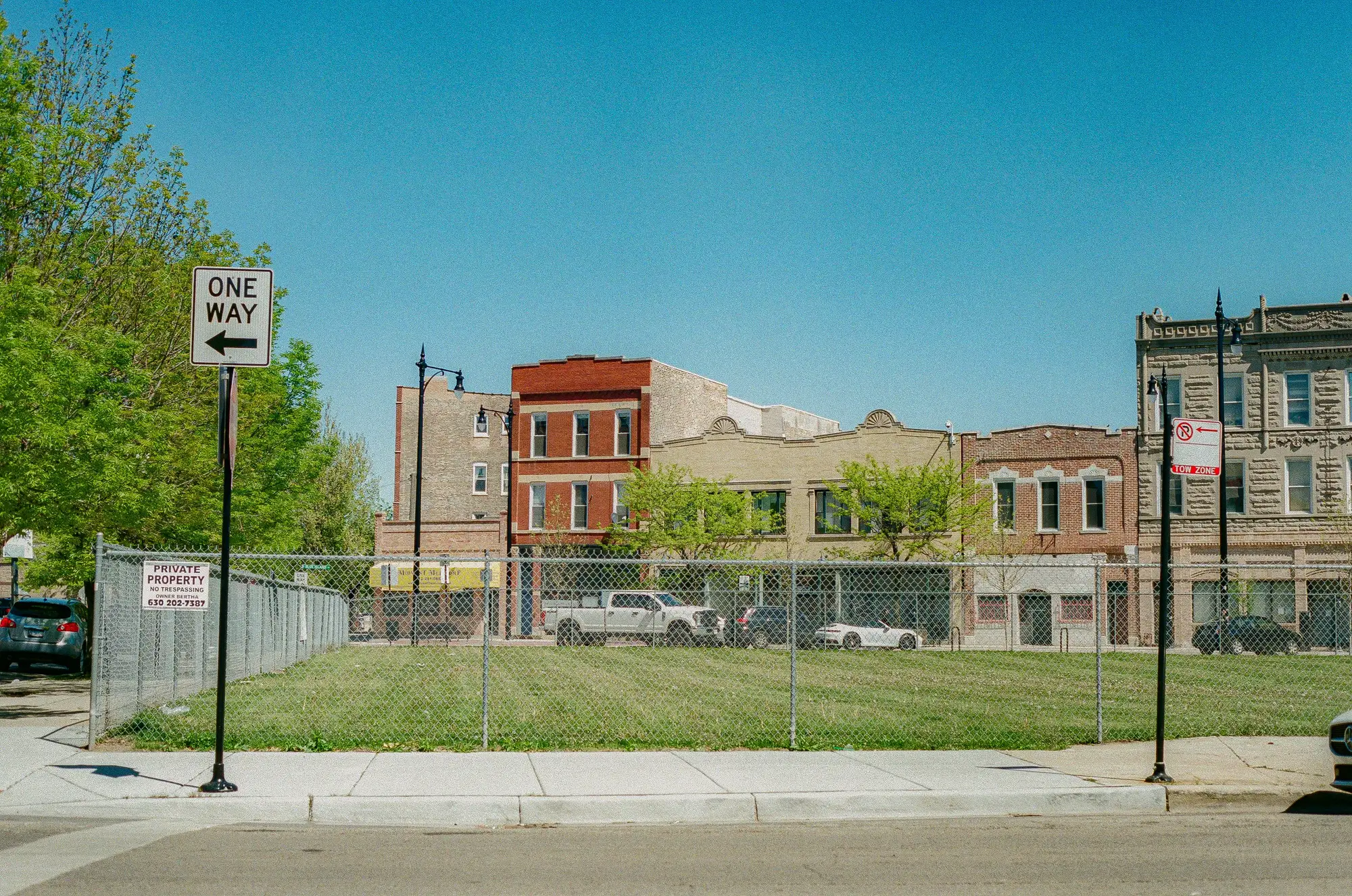 What is an assemblage premium, and how does it change a parcel's appraised value?
An assemblage premium is the value jump when parcels combine, but appraisers won't book it until the assembly is real. Here's where that leaves an analyst.
- Field notes: three parcels went tidy in one quarter, and nobody connected them
Three unrelated parcels got cleared, fenced, and mown the same quarter. None of it showed up as one story until someone looked across the area.
- Routine mow contract vs. holding-pattern mow cycle: how to tell them apart
A routine code-enforcement mow and a holding-pattern mow cycle look similar from the curb. Here's how to read the cadence and tell them apart.
 All-cash vs. financed land deals: reading county deed records
How to spot an all-cash land purchase in county recorder files by checking for a missing deed of trust, and why that gap matters for assembly watching.
- What a reverse 1031 exchange is, and why it precedes a quiet assembly
Reverse 1031 exchanges park title with an EAT before resale closes, leaving a quiet, unbuilt parcel that often shows up before an undisclosed land assembly.
- Notes from the watch list: the eighteen months between the fence and the rezoning notice
Field notes on the quiet stretch between a parcel going tidy and the public filing that explains why, and what to watch for in between.
- What a memorandum of option tells you before a land deal closes
A plain look at memoranda of option in county records: what they disclose, what they hide, and why they surface months before a deal is announced.
- What a quiet title action is, and why assemblers file before going public
What a quiet title action is, why land assemblers file one before going public, and how to read the on-the-ground signs of title cleanup in progress.
- What is an option-to-purchase agreement, and why it keeps a parcel quiet
How an option-to-purchase agreement lets a developer tie up land for a year or more before any deed shows up at the recorder's office.
- How to tell a fenced, mowed lot from a code-enforcement cleanup
A citation mow fades after one pass. A parcel held for assembly stays fenced and tidy quarter after quarter. How to read the difference.
- What is a tax delinquency flag, and why land assemblers watch it
A tax delinquency flag on a parcel can signal an owner losing interest, or an assembler buying time without announcing it. Here's how to read it.
- Grantor-grantee index vs. tax assessor rolls: which one shows a sale first
A comparison of the grantor-grantee index and tax assessor rolls for tracking recent parcel sales, and why the lag between them matters for assembly work.
- How to read a plat map for signs of parcel consolidation
What to look for on a county plat map when you suspect parcels are being assembled, and why the map itself is always behind the ground.
- How to trace an LLC-owned parcel back to its real buyer
A working method for tracing an LLC-owned parcel to its real buyer: deed index, Secretary of State filings, registered agent clustering.
- What is a straw buyer in land assembly?
What a straw buyer, nominee buyer, or front buyer does in land assembly, and how the pattern shows up in county deed records.