Blog·
How to tell a fenced, mowed lot from a code-enforcement cleanup
A citation mow fades after one pass. A parcel held for assembly stays fenced and tidy quarter after quarter. How to read the difference.
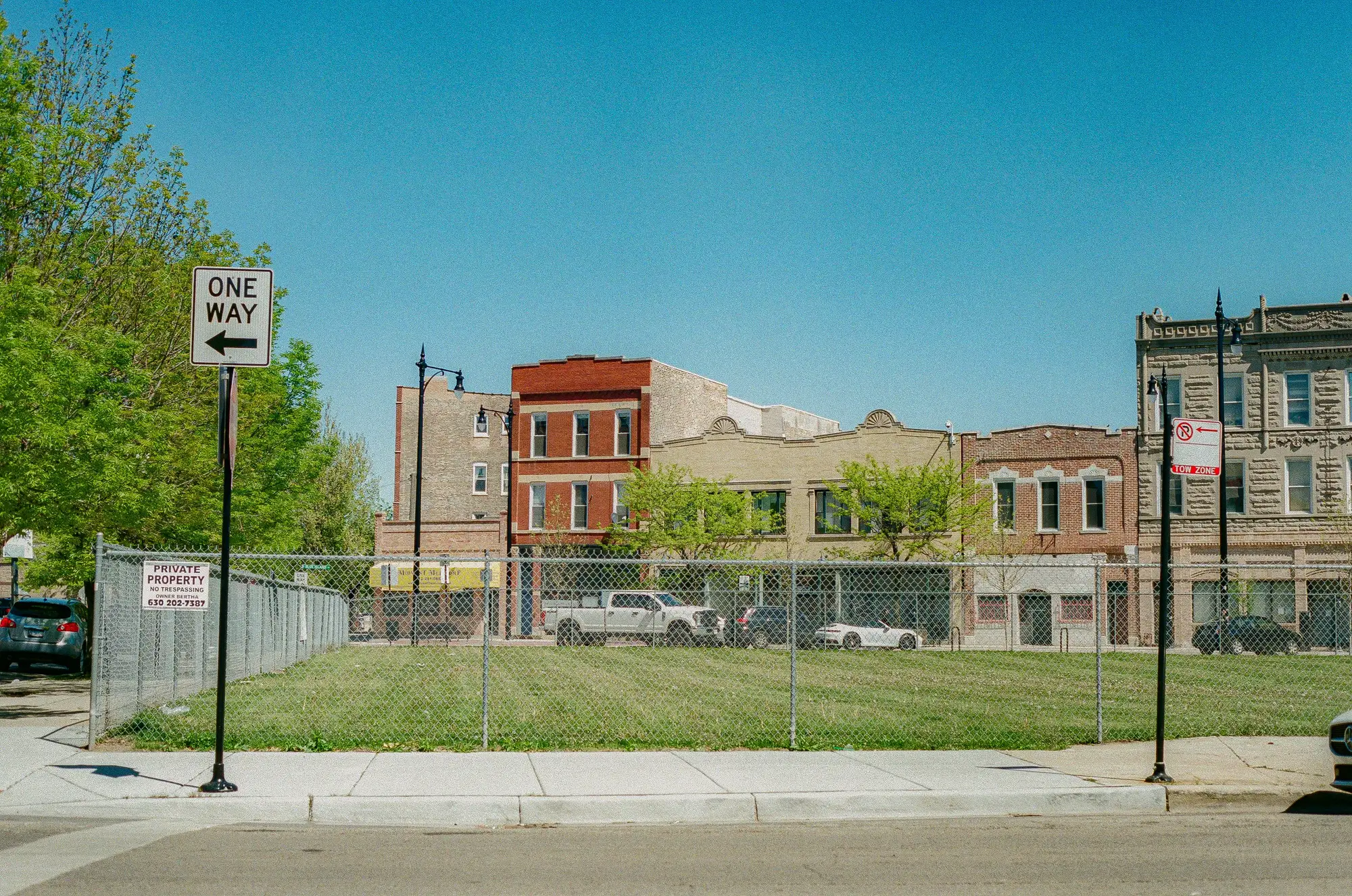
A parcel that was overgrown last year and is suddenly clean this year isn't automatically news. Half the time it's a nuisance citation working its way through the system. The other half, it's someone quietly holding ground ahead of a project they haven't filed anything on yet. Mixing those two up wastes a call to the owner or, worse, tips your hand to a competing buyer who's further along than you think.
The two cases look almost identical on a single pass. They look nothing alike across three or four.
What a code-enforcement mow actually looks like
A nuisance abatement has a paper trail behind it, and the imagery reflects that even if you never see the citation itself. The mow is usually partial: the street-facing strip gets cut because that's what the neighbor complained about, while the back third of the lot stays shaggy. Debris piles, old pallets, a dead car, whatever triggered the complaint, often just get pushed to a corner instead of hauled off, because the contractor's scope was "mow," not "clear." There's rarely a new fence. If one exists it's the same chain-link that's been sagging there for a decade, not a fresh run with new posts.
The tell that matters most is durability. A citation mow is a point-in-time event. Come back next quarter and the lot is halfway back to overgrown, because nobody's paying to maintain it, they just paid to avoid the fine. The owner did the minimum once and stopped.
What a quiet-hold parcel looks like instead
A parcel being assembled for a project reads differently because somebody is paying, quarter after quarter, to keep it that way on purpose. The grass stays cut pass after pass, not just along the road frontage but across the whole lot, because the point is to make the site presentable and low-maintenance while it sits. A perimeter fence goes up and stays up, often new chain-link or construction fencing installed in a single visible run rather than patched. Debris actually gets hauled off instead of pushed to a corner, because a developer or assembler doesn't want anything on the title report calling the site a dump.
The strongest version of this signature shows up next door. One quiet parcel could be a citation. Three adjacent parcels all going fenced-and-tidy within the same two or three quarters, under different ownership records, is assembly. Nobody files a notice of intent to buy a block. The imagery is the notice.
Reading it across passes, not one frame
This is the part that trips people up when they're working from a single image: you can't tell a cleanup from a hold by looking at one quarter. You need the sequence. Was the parcel overgrown two passes ago, clean one pass ago, and clean again now? That persistence is the signal. Was it overgrown, clean once, and overgrown again? That's a citation that got satisfied and ignored.
Timing against public records helps narrow it further. If a nuisance abatement notice or lien shows up in county records right before the lot got mowed, that's your citation, case closed. If the parcel went quiet with no corresponding filing, no permit, no recorded sale, and it's sitting next to two or three parcels that did the same thing around the same time, that's worth a phone call before anyone else makes one.
None of this requires walking the site or filing a records request on every candidate parcel in a watch area. It just requires looking at the same ground on a schedule and noticing which lots stay quiet instead of reverting. That's the whole premise behind a quarterly parcel-pattern report built around exactly this signature: which parcels in your area have gone fenced, cleared, and mown and stayed that way since a specific date, so you're asking the owner before they're ready for the question.
If you're watching an area where land is starting to go quiet for no filed reason, that's worth tracking before the for-sale sign goes up somewhere else first.