Blog·
What is a utility easement vacation, and why it often comes before a quiet assembly
What a utility easement vacation filing is, and why it often shows up months before a quiet parcel assembly becomes public.
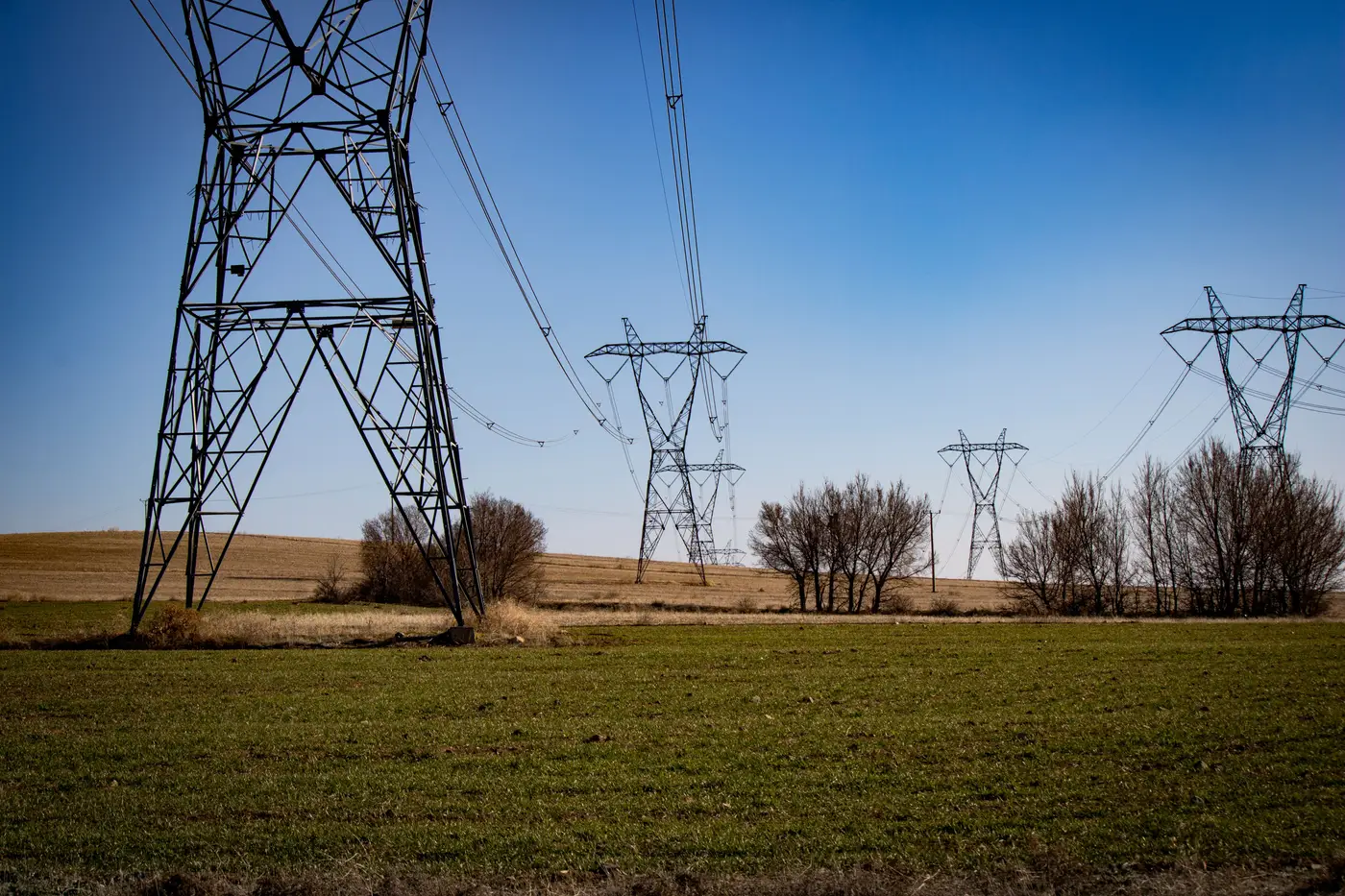
A utility easement vacation is a recorded filing, the kind of paperwork that sits in the county recorder's office or runs through a utility commission docket long before a site plan or rezoning case ever reaches a public hearing. It's also one of the earlier signs that someone is clearing title on a parcel ahead of an assembly, which makes it worth knowing how to read.
What the filing actually does
When a utility, say a gas line, a water main, an overhead power corridor, holds an easement across a parcel, nobody can build over that strip of ground without dealing with the easement first. A vacation is the legal process that extinguishes or releases those rights. Depending on the jurisdiction and who originally granted the easement, the release comes from the utility itself, from a city council, or from a county board, and it gets recorded against the parcel just like a deed.
Most of these filings are short. A page or two: the legal description of the easement being vacated, the agency releasing its rights, a recording stamp. Nobody issues a press release for vacating a drainage easement that's sat unused since the 1970s. That's exactly why it's easy to miss and exactly why it's worth a second look when it shows up.
Why it precedes the assembly instead of following it
A developer putting together several adjoining parcels almost always inherits a tangle of old easements left over from when the lots were platted separately, a sewer line cutting diagonally across what used to be three backyards, a utility corridor nobody has touched in decades. Before those parcels can be combined, graded, or built on as one site, the old easements usually have to be cleared off the title. So the vacation filing lands well before anything else, before site plans, before a rezoning application, sometimes attached to a single parcel that otherwise shows no sign of change at all.
That gap between the filing and the rest of the paper trail is where an analyst screening parcels gets ahead of the market. A rezoning application is the kind of thing everyone in the trade already watches, and by the time it's public, the assembly is often finished and the asking price has already moved to reflect it. An easement vacation filing sits earlier in the sequence. It can show up months ahead, filed on a parcel that still looks, to anyone driving past, exactly like it did last year.
Reading it alongside what's happening on the ground
One vacation filing by itself doesn't prove much. Utilities relocate or release lines for all kinds of reasons that have nothing to do with assembly: a road widening, a franchise agreement expiring, routine cleanup during an unrelated title search. The filing starts to matter when it lines up with what's actually happening on the parcel. A lot that was a working yard or a rough field last quarter, now cleared, fenced, mowed, with no building permit pulled and no for-sale sign posted, is behaving differently than the recorder's office alone would tell you.
That combination, a recent easement release plus a parcel that's gone quiet and stayed tidy for no visible reason, is about as clean an early tell as an analyst gets that someone is holding ground for a project they haven't announced yet. The owner isn't looking for questions at this stage, which is exactly why the answer is sitting in a recording office instead of a trade publication.
A one-time easement search covers half of that picture. Watching which parcels in a given area go quiet and stay cut quarter after quarter, without ever filing a permit or listing with a broker, covers the other half, and that's the pattern a quarterly parcel-pattern report is built to pick up on. If you've already got a watch area in mind, that's the gap Land Banking Signals is meant to close.