Blog·
Field notes: the zoning agenda that named a street that didn't exist yet
A planning agenda referenced a street with no record on any map. What that tells a land analyst about assembly already underway.
A county planning commission posts its consent calendar on a Thursday, the way it always does. Item 7 is routine: a drainage easement amendment, cross-referenced to "the extension of Larkspur Trail." Nobody on the commission blinks. Nobody in the public comment line asks a question. The item passes in under ninety seconds.
Larkspur Trail does not exist. Not on the county GIS parcel viewer, not on the 911 addressing layer, not in the plat index going back to 1987. I checked twice, because the first time I assumed I'd mistyped something. I hadn't.
This is the kind of thing you only catch if you read agendas the way some people read box scores, hunting for the names buried in the supporting language nobody expects you to look up. A drainage easement amendment is boilerplate. The street name attached to it is not boilerplate. Somewhere, an engineer drew a preliminary plat with a street grid on it, gave the future right-of-way a working name so the civil drawings would have something to reference, and that name leaked into a public document eighteen months before anyone intends to file the actual plat.
Once you've seen it, you start seeing where it comes from. A developer's engineering firm needs a name for internal coordination long before a subdivision has a marketing name or a filed plat. So they pick something generic, pull it from a stock list, whatever a civil tech defaults to when a drawing needs a label. That name shows up in a utility easement request, a traffic study scope letter, a drainage review submittal, sometimes a county road department memo about a future access point.
All of these get filed as public record simply because they're routine administrative business; nobody intends to announce a project by filing them. The agenda clerk doesn't know what they're publishing. The commission doesn't ask. The street name just sits there in the minutes, a fossil of a plan that hasn't gone public.
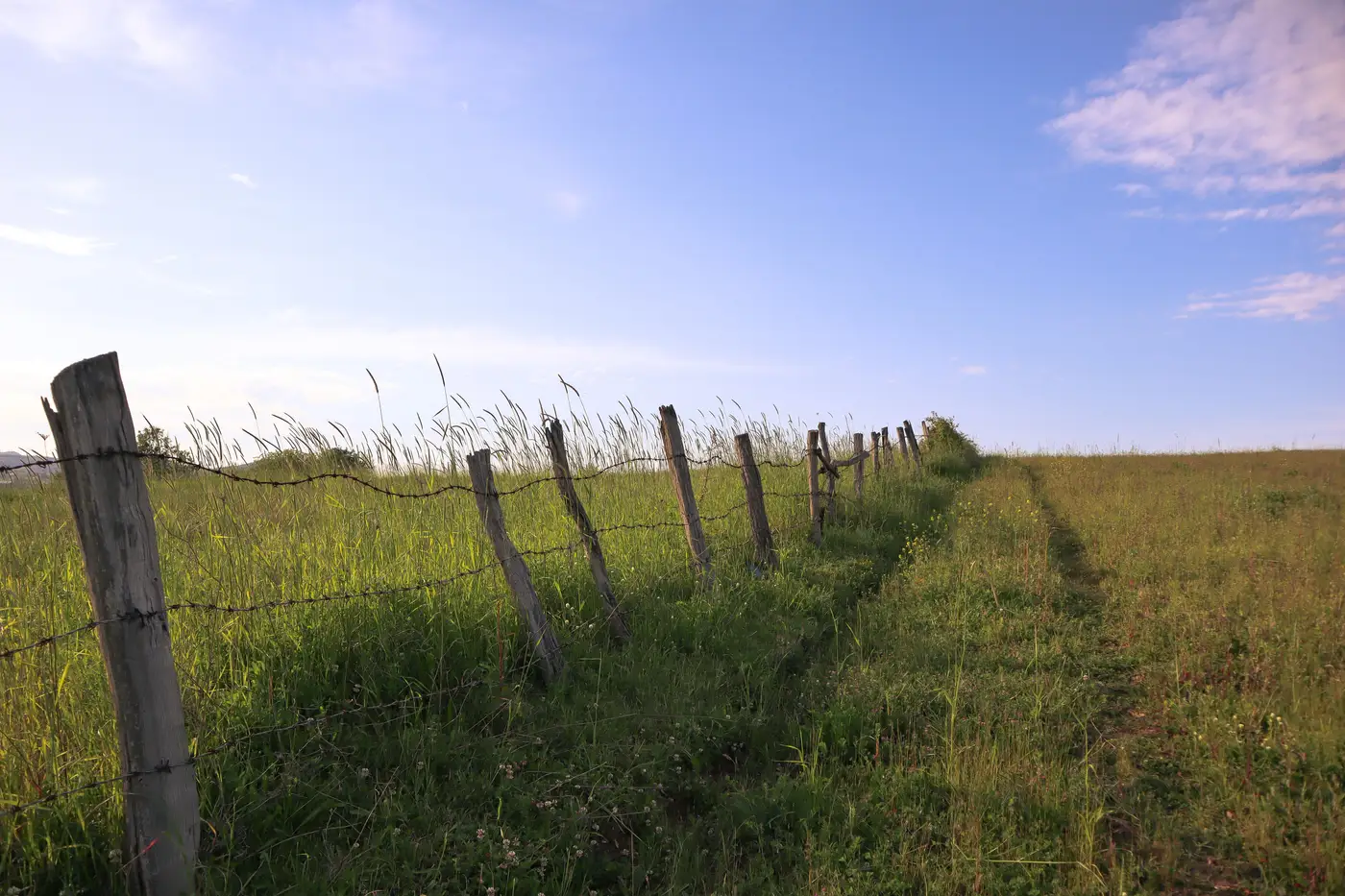
What made this one worth a second look was the parcels it ran through. Four of them, previously in agricultural use per the assessor's record, had gone quiet over the prior two years in the way that matters: fences up, brush cleared, no structures added, no sale recorded, no listing anywhere. On the ground, or on a clean quarterly pass, that reads as nothing. Combined with a phantom street name running straight across the middle of that same footprint, it reads as a project that's already assembled its ground and is now doing the unglamorous engineering work of figuring out where the pipes and the road go, months before any rezoning application lands on a public agenda with a developer's name attached to it.
The agenda item works as confirmation, the kind that shows up after you've already flagged the parcels for other reasons, giving you the second data point that turns a mental note into a call to the title company. The parcels going quiet is the earlier tell, and it's the one you can act on before any paper trail exists at all. That's the gap a quarterly pattern read is built for, catching the cleared-and-fenced-and-mown signature on ground that hasn't recorded a transfer or filed a single document yet.
I don't know who's behind Larkspur Trail yet. The county's addressing office will eventually assign that name to something real, probably when the preliminary plat gets filed, and at that point everyone paying attention to the agenda will know what I know now. The interesting window is the one before that, when the name is just sitting in a drainage memo waiting for someone to look it up.
If you're tracking a corridor and want to know which parcels in it have already gone quiet, that's the pattern we watch for on a quarterly cycle. Worth a look before the next agenda names something you haven't heard of.