Blog·
Routine mow contract vs. holding-pattern mow cycle: how to tell them apart
A routine code-enforcement mow and a holding-pattern mow cycle look similar from the curb. Here's how to read the cadence and tell them apart.
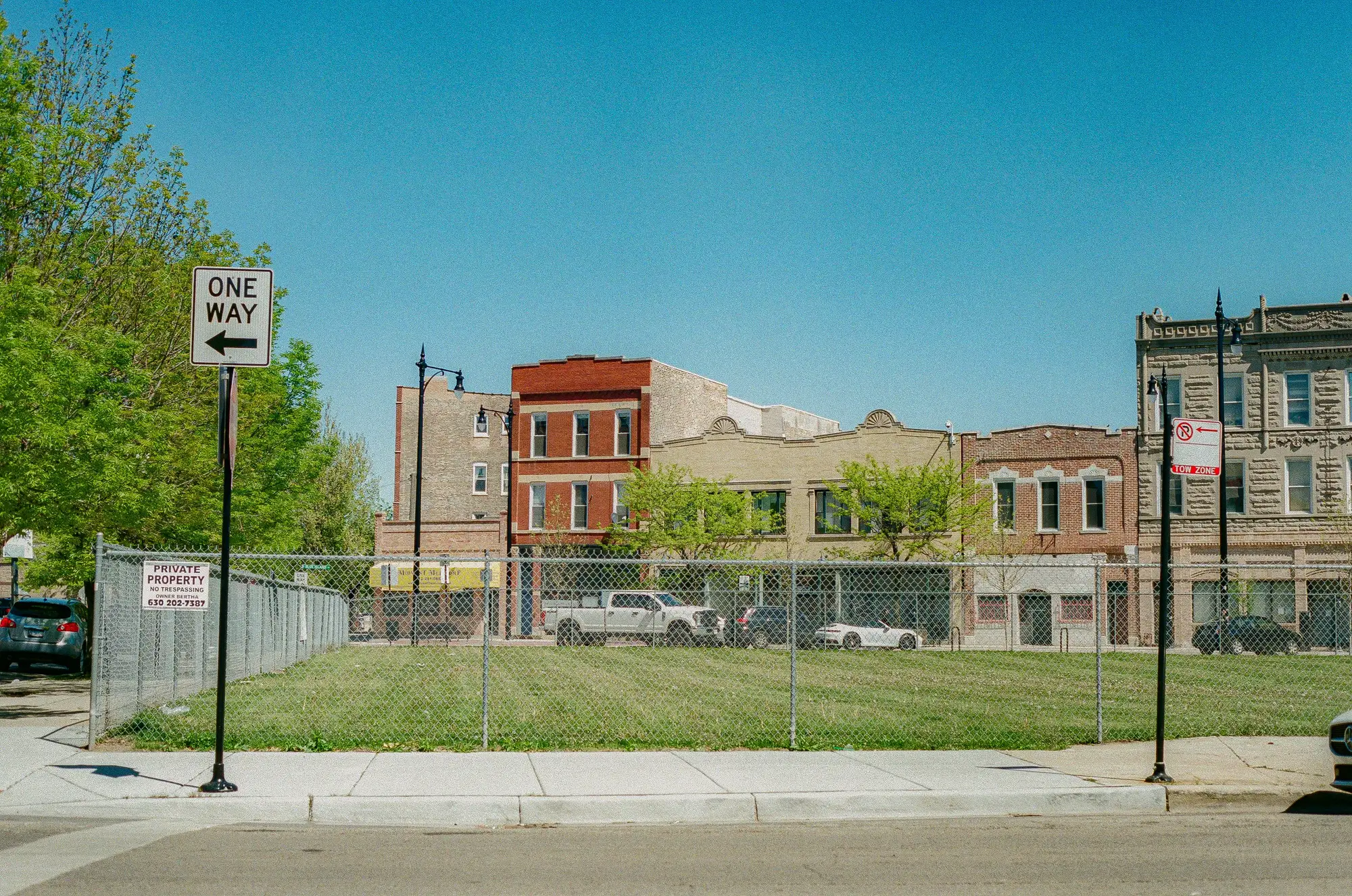
A parcel that gets mowed isn't news. Code enforcement orders it, a bank services it after a foreclosure, an absentee owner pays a landscaping outfit on autopilot. None of that tells you anything about what's coming. But every now and then a parcel starts getting mowed on a schedule that doesn't match any of those reasons, and that's worth a second look.
From a single pass, a routine mow and a holding-pattern mow look identical: grass down, lot fenced or not, nothing built. What separates them shows up in the pattern across cuts, not in any single cut.
What a routine mow contract looks like
Code-enforcement mowing is reactive and uneven. A lot gets tall enough to draw a complaint or a citation, a contractor shows up, it gets cut, and then it grows out again until the cycle repeats. You'll see this show up as irregular grass height between passes, sometimes a visible lag of a month or more before a cited lot gets serviced. Bank-owned and REO mowing is steadier but still mechanical: same contractor, same radius, same cut height, done to keep the asset off a violation list while it sits on a servicer's books. Neither of these cares about the parcel's relationship to its neighbors. A bank-owned lot gets mowed the same way whether the parcel next to it is vacant, occupied, or being quietly picked up by a buyer three towns over.
The tell with routine mowing is that it's parcel-specific and reason-driven. One owner, one order, one contract. It doesn't spread.
The holding-pattern mow cycle, and what makes it different
A holding-pattern mow cycle shows up when someone, often a developer, an assembler working on behalf of a REIT, or a broker lining up parcels for a project that hasn't been filed anywhere yet, starts keeping ground tidy because they don't want it drawing attention. Code violations invite inspectors. Overgrown lots invite curious neighbors and nosy brokers asking the county who owns what. So the ground gets mowed, fenced if it needs it, kept quiet, on a cadence that has nothing to do with a citation and everything to do with staying unremarkable.
The cadence is the signal. A holding-pattern mow tends to be regular across quarters rather than reactive to a single complaint. It often starts around the same time a parcel changes hands or an LLC takes title, sometimes alongside the fence going up. And it frequently clusters: several adjacent or nearby parcels all picking up the same quiet-tidy treatment at roughly the same time, even though they're under different names on the tax roll. Nobody coordinates code-enforcement cuts across six unrelated owners, so that clustering is something a routine mow contract never produces.
Reading the cadence instead of the cut
None of this is visible in a single image. One pass shows you a mowed lot and nothing else. What separates a routine contract from a holding-pattern cycle is comparing that lot, and the ones around it, across several quarters: is the grass staying consistently short on a schedule, is the fence new, did the mowing start right after a transfer, and is it happening on parcels that would otherwise have no reason to be tidy at the same time.
Spotting that pattern means comparing cuts across quarters rather than reading any single pass, which is exactly why it tends to get missed. Nobody's driving past the same vacant lots every ninety days with a notepad, and county code-enforcement logs won't tell you anything about a parcel that's never been cited because its owner is keeping it clean on purpose.
A quarterly parcel-pattern report built around watching for that quiet-hold signature does the comparison for you: which parcels in a watched area have gone quiet and stayed quiet, since when, and whether the pattern is spreading to the lots around them.
If you'd rather see which parcels in your watch area are already showing that cadence than wait for the rezoning notice to confirm it, that's the question Land Banking Signals is built to answer.