Blog·
What is an assemblage premium, and how does it change a parcel's appraised value?
An assemblage premium is the value jump when parcels combine, but appraisers won't book it until the assembly is real. Here's where that leaves an analyst.
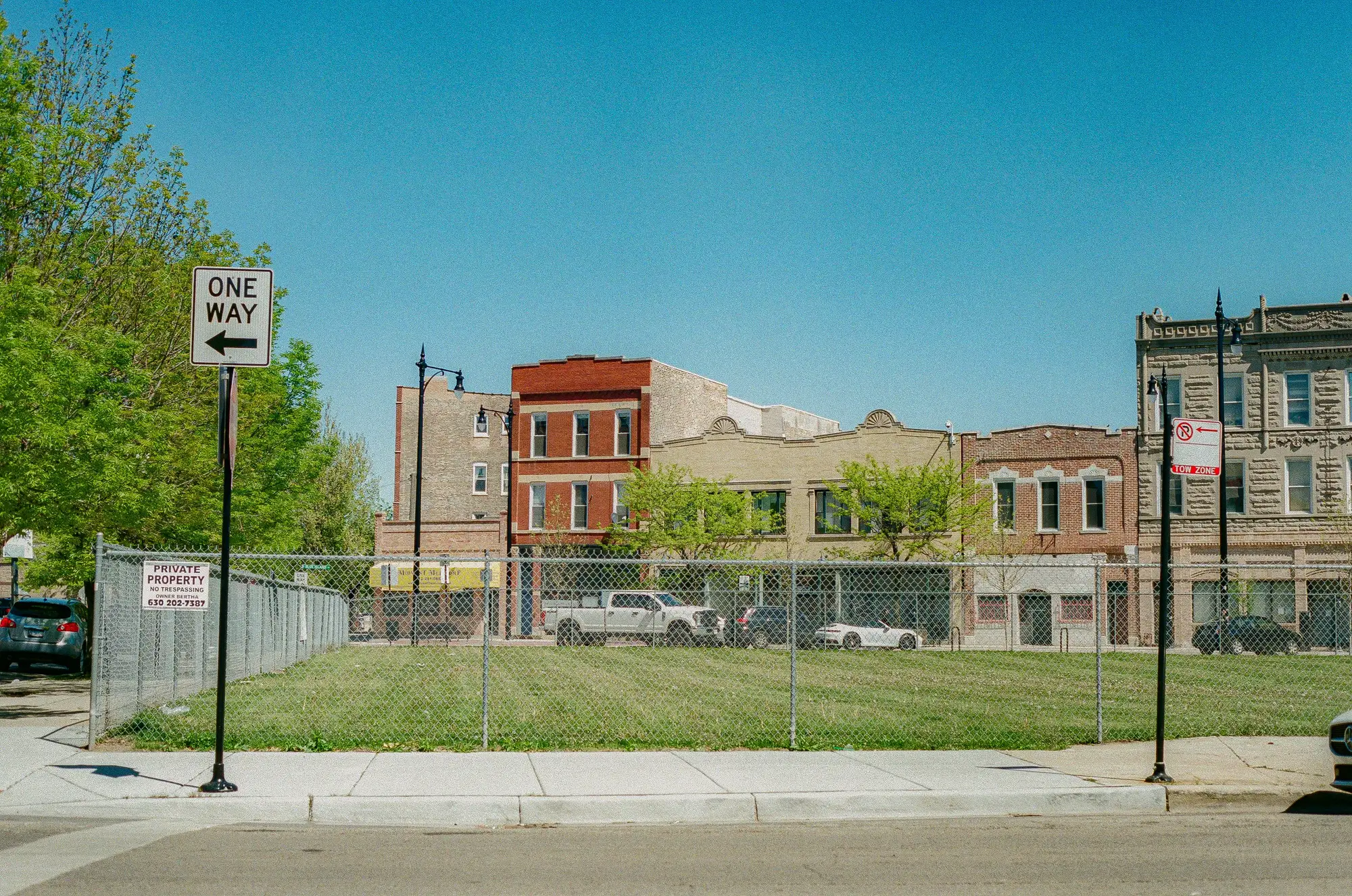
An assemblage premium is the gap between what a parcel is worth sold on its own and what it's worth as part of a larger tract that someone has stitched together without announcing it. Three quarter-acre lots zoned the same, owned separately, might each appraise for roughly what the last comp down the street sold for. Combine them under one owner with one access point and one footprint big enough for the use a developer actually wants, and the whole is worth more than the three checks it would take to buy them individually. That difference is the premium, and it's a markup on control of the footprint, not on the dirt itself.
Why appraisers don't just add it in
Standard appraisal practice values a parcel at its highest and best use as that parcel stands today, on its own, with its own access and its own zoning envelope. An appraiser working a single lot doesn't get to assume a buyer will also pick up the two parcels next door next year. That assumption requires a transaction that hasn't happened yet, and appraisal methodology is built around arm's-length comps, not imputed futures. So even when everyone involved in a deal knows three lots are being assembled, the individual parcel appraisals lag behind that knowledge until the assembly is recorded, financed, or otherwise made legible to a comp database.
This is the part that trips people up: the assemblage premium is real economically well before it's real on paper. A buyer assembling six parcels for a logistics site knows the sixth parcel is worth more to them than its standalone appraisal says, because without it the other five don't clear the minimum footprint for the building they want to put there. The seller of that sixth parcel, if they don't know an assembly is underway, has no reason to ask for more than the going rate for a lot that size in that zip code. The premium exists in the buyer's underwriting model and nowhere else.
Comparable sales make this worse, not better. Assemblage transactions are rare enough, and often staggered across separate closings with separate LLCs, that they rarely show up as a clean comp set an appraiser can lean on. Parcel consolidation appraisal work, when it happens after the fact, usually has to reconstruct value from the eventual use (what did the combined site get entitled for, what did it sell for as one tract) rather than from a library of similar assemblies, because there usually isn't one for that geography.
Why this gap matters before anyone files anything
For an analyst screening parcels for undisclosed assembly, the appraisal lag is the opportunity window. While assessed and appraised values on individual parcels still reflect standalone use, somebody is quietly paying above that standalone number to tie up control, because they've already priced in the land assembly value the appraisal hasn't caught up to. The tell shows up in the parcel itself, not the tax record: a lot that goes quiet, gets cleared, fenced, kept mown, and stays unbuilt for quarter after quarter is being held, not neglected, and held land that's suddenly tidy is usually land somebody is protecting while the rest of the assembly closes around it.
That's the pattern worth watching before the rezoning application or the site plan filing makes the assemblage obvious to everyone else, which is also the moment the premium shows up in every other parcel's asking price in the area. If you're trying to get ahead of a project nobody has announced yet, our quarterly parcel-pattern reports flag exactly that quiet-hold signature so you can ask about a site before its owner wants anyone asking. Take a look at how Land Banking Signals tracks the quiet-hold pattern quarter over quarter and see if your watch area is a fit.