Blog·
What a reverse 1031 exchange is, and why it precedes a quiet assembly
Reverse 1031 exchanges park title with an EAT before resale closes, leaving a quiet, unbuilt parcel that often shows up before an undisclosed land assembly.
When a buyer needs to close on the replacement property before the old one has sold, they use a reverse exchange instead of a forward one. The mechanics matter to anyone reading title records for a parcel pattern, because a reverse exchange leaves a specific fingerprint in the chain of title, and that fingerprint often lands on a parcel months before anyone announces what's going in.
The mechanics of a reverse exchange
In a standard 1031 exchange, the investor sells the old property first, then gets 45 days to identify a replacement and 180 days to close on it. A reverse exchange flips that order. The buyer acquires the replacement property first, before the relinquished property has sold. IRS rules won't let the taxpayer hold title to both properties at once during the exchange period, so somebody else has to hold title to one of them temporarily.
That somebody is the exchange accommodation titleholder, usually shortened to EAT. It's a single-purpose entity, often an LLC formed specifically for this one transaction, that takes and parks title to the new property while the old one sells. A qualified intermediary, the QI, structures the exchange and handles the sale proceeds so the taxpayer never has constructive receipt of the cash, which is the rule that makes the tax deferral work at all.
Parked title and what it looks like in the record
Parked title is the plain name for what the EAT is doing: holding the deed as a stand-in for a stretch that can run up to 180 days and sometimes longer with an extension, with the deed moving to the developer only once the exchange closes out. On a title search this shows up as a transfer into a freshly formed LLC with a generic name, no construction loan recorded against it, and usually no building permit or site plan filed anywhere near the closing date. The entity name itself tells you almost nothing. These names get picked to be unsearchable on purpose: word of the project getting out early moves price on the parcels still left to buy.
That's the part worth watching. A reverse exchange produces exactly the kind of ownership change that looks like nothing happened, because legally not much has, even while the parcel has in fact moved into position for whatever comes next. The seller walks away with their check. The EAT sits on the deed. Somewhere around month three to month six, assuming the taxpayer's own property sells on schedule, title transfers again from the EAT into whatever entity ends up actually developing the site.
Why it shows up before a quiet assembly
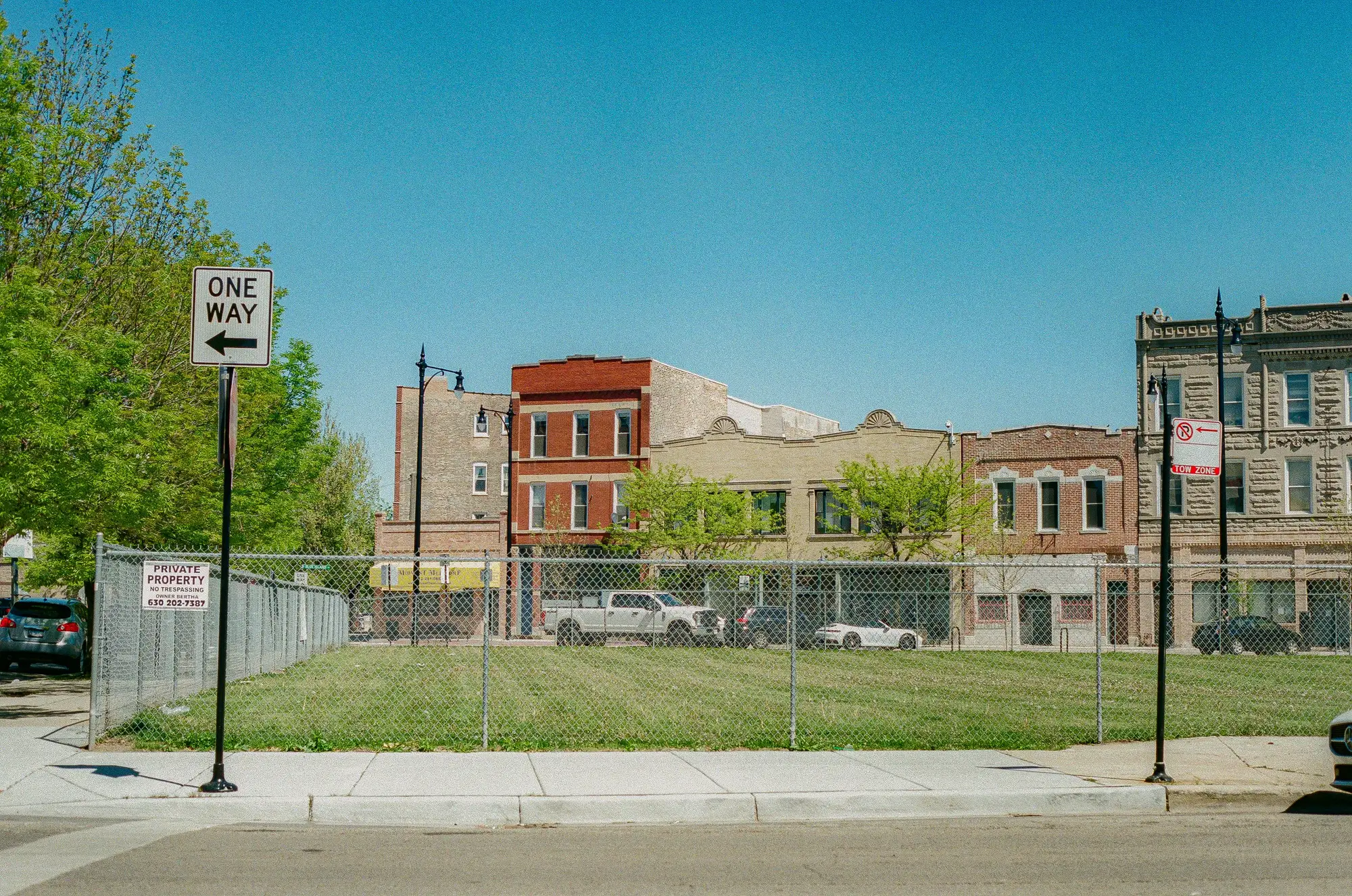
Developers assembling a site parcel by parcel reach for reverse exchanges because it lets them lock a piece of land before the rest of the deal lines up. A parcel can sit under an EAT's name while financing, entitlements, or adjacent acquisitions are still being worked out elsewhere. From the ground, that parcel goes quiet. It gets cleared or left standing as-is, fenced, mown on a schedule, and nothing else happens to it. No permit filed, no equipment on site, no contractor's sign at the road. The title has changed but nothing visible has, which is the point of parking it that way.
That gap between the paper event and the physical signal is exactly what's worth checking a parcel against. Title records tell you ownership moved into an entity that doesn't look like an owner-occupant or a working farmer. Ground conditions tell you whether the site behaves like something someone is actively holding for a reason, rather than a parcel that just changed hands and sat unmanaged. Put the two together and a reverse exchange reads as an early marker worth testing against what's happening on the ground, not just a line in the county recorder's index.
That's the gap a quarterly pattern report of which parcels in a watched area go quiet and stay tidy is built to close, flagging the unbuilt, cleared, fenced-off parcels before the owner wants anyone asking why.
If an area you're tracking has a few of these EAT transfers sitting on it, that's a good reason to start watching the parcels around them.