Blog·
Notes from the watch list: the eighteen months between the fence and the rezoning notice
Field notes on the quiet stretch between a parcel going tidy and the public filing that explains why, and what to watch for in between.
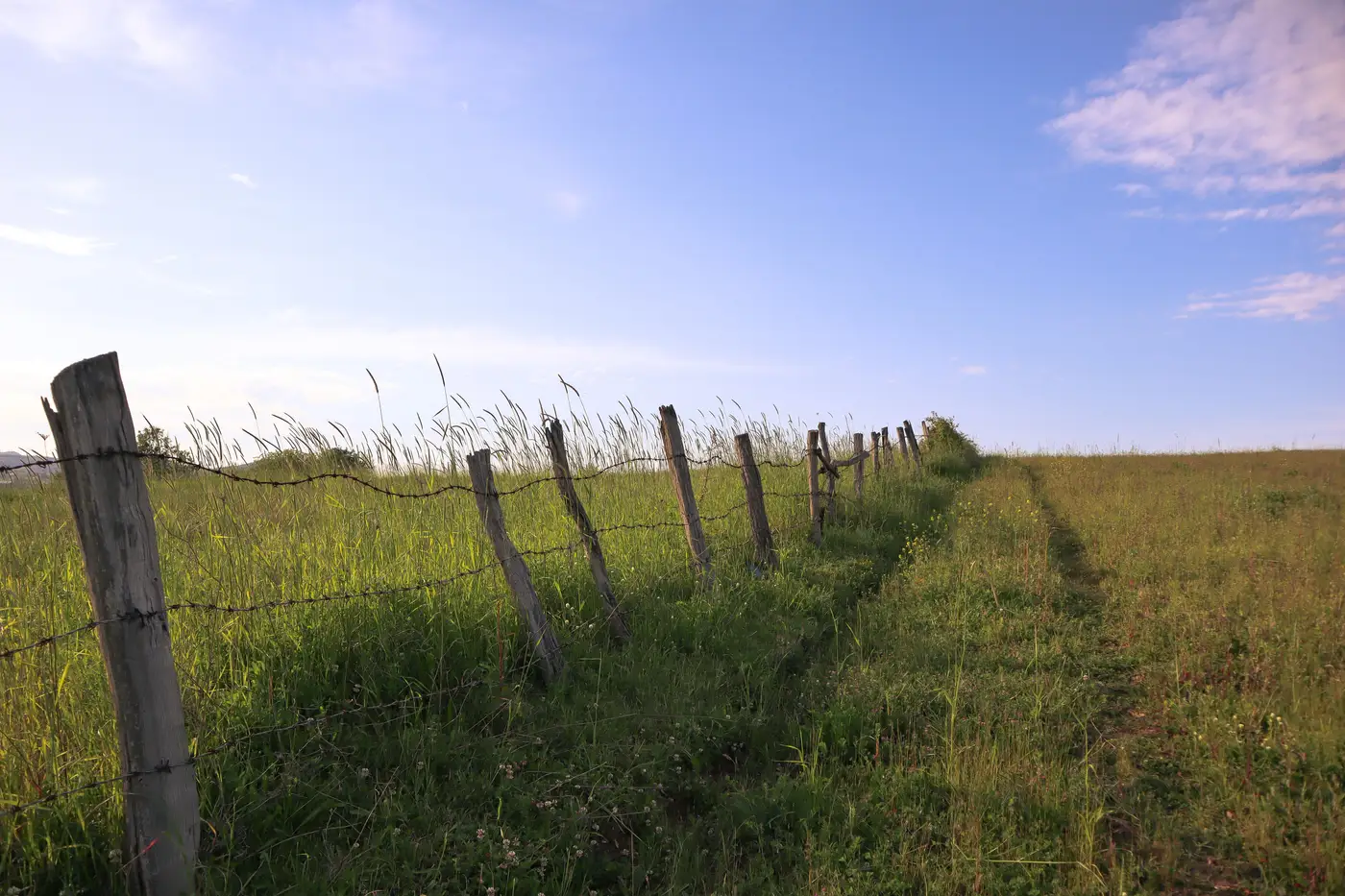
There's a parcel outside Buford, Georgia, that sat as scrubby pasture for eleven years. Goats on it, a falling-down equipment shed, the kind of lot you drive past without registering. Then one March it was bush-hogged clean. By June the fence line got tightened, new T-posts, a gate with a chain and no lock, which is its own small tell.
Nobody filed anything. The tax roll still showed the same LLC it had shown since 2019. Eighteen months later a preliminary plat hit the county planning portal and everyone in a five-mile radius acted surprised.
They shouldn't have been. The parcel told you in March.
This is the stretch of the game that doesn't show up in any database: the gap between a site going quiet and a site going public. An owner, or more often a chain of option holders working through a shell LLC, doesn't announce intent. They can't, not yet, not while they're still stitching together the three or four adjoining lots that make the assemblage pencil.
So what you get instead is maintenance. A field that used to grow up in broomsedge every August suddenly gets mown on a schedule. A fence that was sagging for a decade gets straightened. A gravel pad goes in where there wasn't one, not a building, just a pad, like someone's staging for equipment that hasn't arrived.
None of that is a filing. None of it shows up in a title search, because option agreements rarely get recorded until they're exercised, and by then you've lost most of your runway. What it is, is behavior. And behavior is visible from the air on a schedule most owners don't think about, because they're thinking about zoning counsel and traffic studies, not about who's looking at a quarterly pass of the county.
I've started keeping an informal log of these for a few submarkets I track, the ones where a certain kind of buyer tends to work three parcels deep before anyone at the county hears a word. The pattern holds more often than not. Quiet and tidy first. Silence for a year, sometimes closer to two. Then the rezoning case number shows up, or a civil engineering firm's name appears on a stormwater permit, or a different LLC entirely, one with a recognizable developer's registered agent, buys the option out and the deed finally moves.
By the time that deed moves, the land is already priced for what it's about to become. The window where you could ask a question, where you could approach an adjoining owner about their own parcel, or get ahead of the traffic study, or just know enough to not get outbid by someone who's been watching longer than you, that window was the eighteen months before. Not the week the sign went up.
What's useful isn't predicting the project. Nobody's claiming that. It's noticing the signature early enough that when the filing does land, you're not starting from zero, you're confirming something you already flagged a year and a half ago, maybe with a note about which adjoining parcels have the same new fence contractor.
That's the whole bet behind watching for it quarter over quarter rather than waiting for the public record to catch up. If you want a sense of how that kind of tracking gets built out for a watch area, the quiet-hold pattern we track parcel by parcel is the place to look.
Notice the lot that got mowed for no obvious reason. It's usually not nothing.